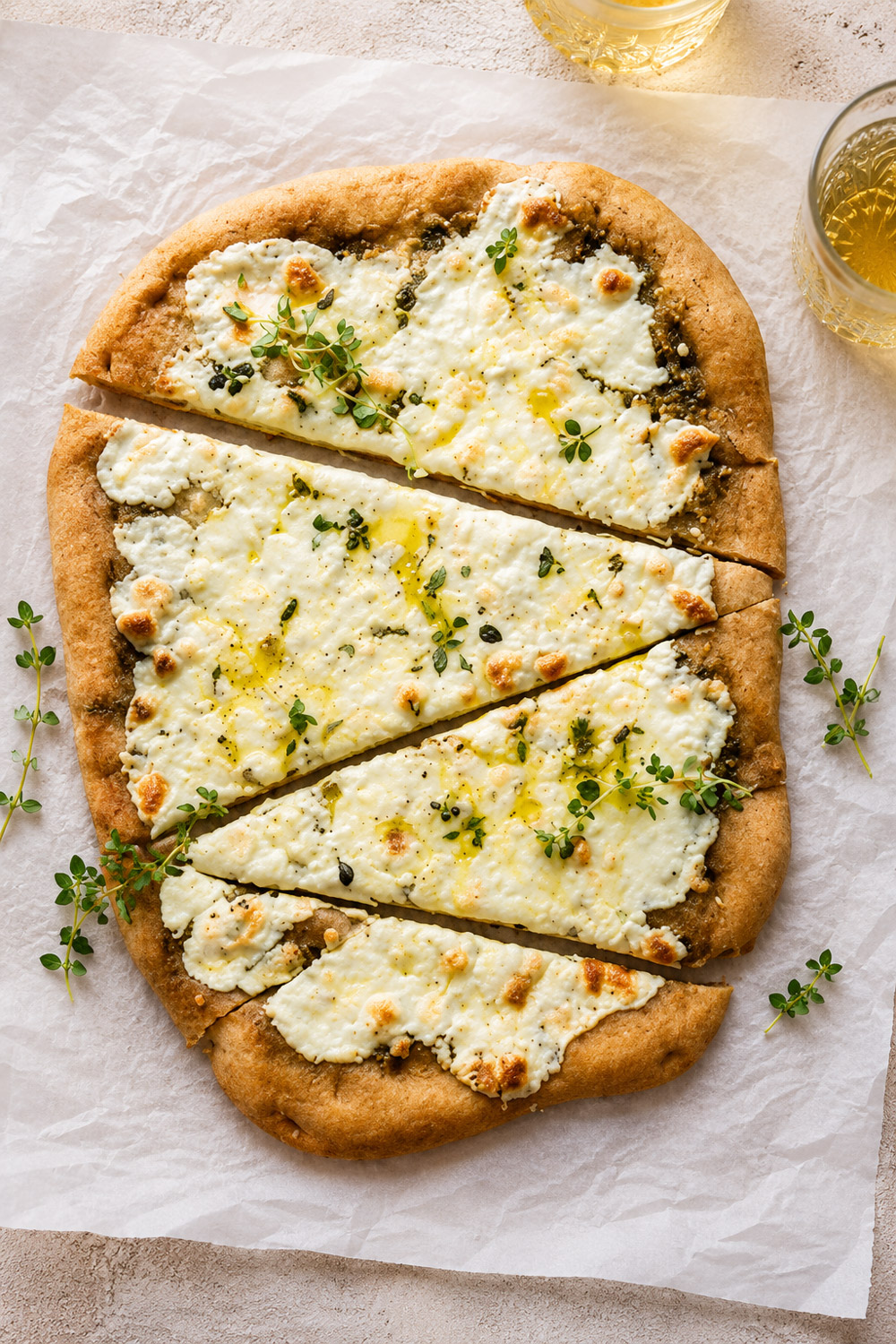
When it comes to enjoying a truly satisfying meal, few things beat the aroma of freshly baked dough combined with rich cheese and savory herbs. While traditional red sauce variations get a lot of attention, a classic white pizza, also known as pizza bianca, offers an incredibly delicious alternative. By omitting the tomato base, you allow the true star components to take center stage: pungent fresh garlic, high quality extra virgin olive oil, and perfectly melted mozzarella cheese.
This style of cooking focuses on balancing simple flavors to achieve maximum impact. Whether you want to recreate a restaurant style experience in your own kitchen or you are looking for a quick weeknight dinner that feels sophisticated, this recipe delivers on every front. Let us dive into how you can create this golden, bubbly masterpiece from scratch.
Why the White Pizza Base is a Game Changer
Traditional pizzas rely on the acidity of tomatoes to balance out the richness of dairy and crust. A white pizza handles this balance differently. By creating a rich, aromatic garlic oil base, the dish gains a deep warmth that highlights the natural sweetness of the dough and the creamy profile of the cheese.
This approach turns the focus toward texture and subtle flavor notes. The olive oil absorbs the essence of the garlic, ensuring that every square inch of the crust carries a robust flavor. It is a fantastic option for anyone who finds tomato sauce too acidic, or for those who simply want to appreciate the pure synergy of olive oil, garlic, and cheese.
White Pizza Overview
Before gathering your tools, it helps to understand the scope of the process. This dish comes together quickly, making it accessible for home cooks of all skill levels.
- Prep time: 15 minutes
- Cook time: 12 minutes
- Yield: One 12 inch pizza (serves 3 to 4 people)
The Ingredient Checklist
The secret to an exceptional white pizza lies in the quality of your ingredients. Since there are no heavy sauces to hide behind, choosing fresh, flavorful elements will make a massive difference in your final result.
The Foundation
- 1 pound pizza dough: You can use store bought dough from your local grocery store or prepare your favorite homemade recipe ahead of time.
The Aromatic Base
- 3 tablespoons extra virgin olive oil: Use a high quality oil, as its flavor will be prominent in every bite.
- 3 to 4 cloves fresh garlic: Finely minced or grated to ensure it distributes evenly across the oil.
The Toppings and Seasonings
- 2 cups (8 ounces) low moisture mozzarella cheese: Be sure to shred this yourself from a brick for the absolute best melt.
- 1/2 teaspoon dried oregano or Italian seasoning: Adds a classic herb aroma.
- To taste: Kosher salt and freshly cracked black pepper.
Optional Enhancements
- 1/2 cup ricotta cheese: Dropped in small dollops to add creamy contrast.
- 1/4 cup grated Parmesan cheese: For a sharp, salty finish.
- Fresh basil leaves: For garnish and a pop of bright color.
Step by Step Instructions
Creating the perfect pie requires a careful blend of heat management, dough handling, and flavor layering. Follow these steps to ensure a crispy crust and perfectly melted toppings.
1.Preheat the Oven:
Prerequisite Setup.
Set your oven to 450 degrees Fahrenheit (230 degrees Celsius). If you own a pizza stone or a specialized baking steel, place it inside the oven during the preheating cycle. Letting the stone absorb heat for at least 30 minutes ensures a much crispier bottom crust.
2.Infuse the Olive Oil:
Flavor Development.
Combine the three tablespoons of extra virgin olive oil and your minced fresh garlic together in a small mixing bowl. Let this mixture sit undisturbed for roughly 10 minutes. This resting window allows the sharp flavors of the garlic to marry completely with the rich oil.
3.Shape and Stretch the Dough:
Crust Preparation.
Place your dough on a lightly floured countertop. Gently work it from the center outward, stretching it into a uniform 12 inch circle. Once shaped, carefully transfer the dough over to a baking sheet or a wooden pizza peel that has been lightly dusted with cornmeal to prevent sticking.
4.Apply the Garlic Oil Base:
Layering Flavor.
Stir your infused oil one last time. Using a pastry brush, spread the garlic and oil mixture evenly across the entire surface of the stretched dough. Be sure to leave a clean 1 inch border around the outer edge to allow the crust to puff up and brown beautifully during baking.
5.Add the Cheeses and Herbs:
Final Assembly.
Scatter your freshly shredded low moisture mozzarella cheese in an even layer over the oiled base. Sprinkle the dried oregano, kosher salt, and freshly cracked black pepper uniformly across the top. If you decided to include ricotta, drop small spoonfuls of it systematically across the mozzarella layer.
6.Bake Until Golden and Bubbly:
The Cooking Phase.
Slide the prepared pizza into the hot oven. Bake for 10 to 12 minutes. You will know it is done when the outer crust turns a beautiful golden brown color and the mozzarella cheese layer is completely melted, bubbly, and showing a few characteristic deep brown spots.
7.Garnish and Serve:
Finishing Touches.
Remove the hot pizza from the oven safely. Garnish the top with fresh basil leaves or a light dusting of grated Parmesan cheese if you prefer. Allow the entire pie to cool down for about 2 minutes to let the cheese set, then slice it up and enjoy it while it is hot.
Pro Tips for the Best Results
Achieving professional quality at home comes down to avoiding a few common pitfalls that can affect the texture of your final dish.
Grate Your Own Cheese
It is highly recommended to avoid buying pre shredded mozzarella bags from the store. Commercial shredded cheeses are coated in anti caking powders and potato starch. These additives prevent the cheese from clumping in the bag, but they also dry it out and stop it from melting into the gooey, cohesive layer you want. Buying a low moisture block and grating it yourself yields far better results.
Managing Fresh Mozzarella
If you prefer the milky taste of fresh mozzarella balls instead of low moisture bricks, you need to manage the moisture content. Fresh mozzarella contains a high amount of water. Slice the cheese thinly and pat the pieces thoroughly with paper towels before placing them on the dough. This simple step keeps excess water from pooling in the center, ensuring your crust stays crisp instead of becoming soggy.
Exploring New Flavor Dimensions
Once you master the foundational garlic and oil base, you can use it as a canvas for other delicious ingredients. Adding toppings can elevate the dish and cater to different preferences.
- Greens: A handful of fresh baby spinach or baby arugula tossed in a little lemon juice after baking adds a wonderful peppery contrast.
- Earthy Notes: Sautéed wild mushrooms paired with a drizzle of truffle oil complement the garlic base beautifully.
- Proteins: Sliced grilled chicken or crispy pancetta can transform this simple pie into a highly filling, protein rich meal.
If you are eager to try more variations or want to see how the pros handle authentic dough and toppings, exploring curated gallery setups can provide excellent visual inspiration for your next kitchen project.