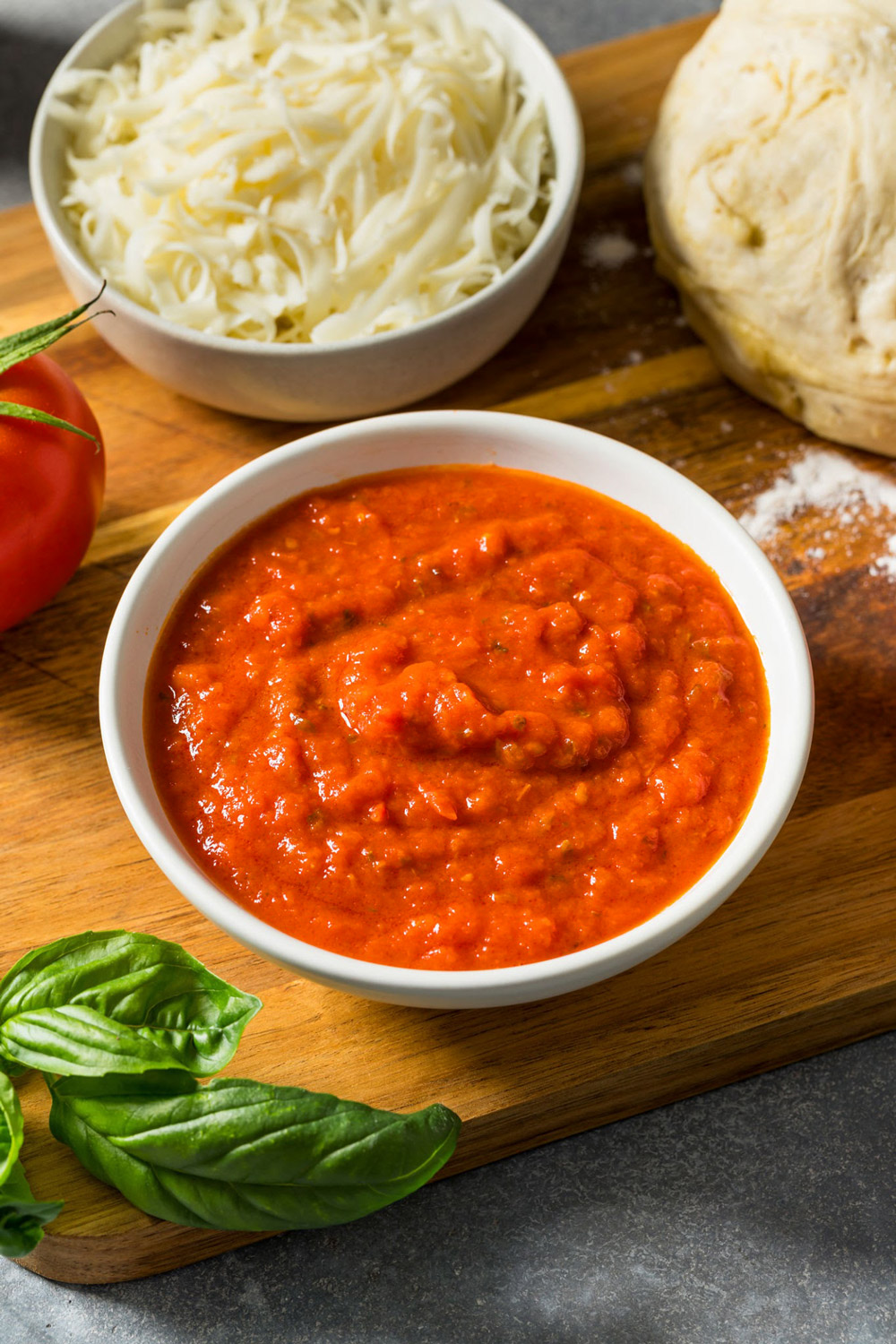
The secret to a truly spectacular pizza starts from the bottom up. While gourmet toppings and artisanal cheeses get a lot of the spotlight, the foundation of every memorable pie is a stellar red base. A great sauce does more than just add moisture, it ties the entire crust and cheese profile together into one cohesive bite. Instead of settling for grocery store jars that are often packed with artificial preservatives and excessive sodium, crafting your own signature spread at home elevates your home kitchen game instantly.
This homemade marinara pizza sauce delivers a rich, vibrant Italian flavor using simple pantry staples like canned crushed tomatoes, fresh garlic, and aromatic Italian herbs. Simmering the ingredients builds a thick texture that prevents your pizza crust from getting soggy. By learning the art of a proper reduction, you will capture the essence of standard neighborhood slice counters, like the rustic, purposeful approach seen at community favorites like Pizza Factory in Carrboro, North Carolina.
Why a Dedicated Pizza Sauce Beats Standard Pasta Sauce
It is common to look inside the pantry, find a jar of run of the mill spaghetti marinade, and assume it works perfectly fine on dough. However, pasta sauces and dedicated pizza sauces serve entirely different structural purposes in cooking.
Spaghetti sauces are intended to coat long strands of pasta, meaning they carry higher moisture levels and are often pre-simmered for hours with complex root vegetables. If you pour that high water content onto raw dough, the heat of the oven will trap the steam under the cheese. The result is the dreaded soggy middle zone, where the dough remains wet and undercooked.
A true red pizza foundation relies on intense heat, a thicker consistency, and concentrated aromatics. Simmering your blend uncovered allows excess water to evaporate efficiently, leaving a robust paste that stays firmly on top of the dough structure while baking.
The Ultimate Ingredient Breakdown
To achieve the ultimate flavor balance, selecting high quality pantry basics is key. Each item in this formula plays a distinct role in building depth.
- 1 can (28 oz) Crushed Tomatoes: For the absolute best natural sweetness and low acidity, look for certified San Marzano tomatoes. Their soft flesh and thick juice create an ideal base texture.
- 2 tbsp Extra Virgin Olive Oil: A quality oil provides a luxurious mouthfeel and carries the fat soluble flavors of your aromatics across the palate.
- 3 to 4 cloves Fresh Garlic: Mincing fresh cloves rather than using pre-jarred garlic ensures a bright, sharp bite that mellows beautifully during the cooking process.
- 1 tbsp Dried Italian Seasoning Blend: This classic combination typically features rosemary, thyme, marjoram, and savory to provide a balanced herbal depth.
- 1 tsp Dried Oregano: A standalone punch of oregano provides that nostalgic, comforting pizzeria aroma that defines a great slice.
- 1 tsp Sugar (Optional): Depending on the brand of tomatoes you source, a tiny pinch of sugar can help balance out any harsh, metallic acidity.
- A handful of Fresh Basil Leaves: Torn by hand right at the end of the process, fresh basil introduces a sweet, anise like brightness that dried herbs cannot replicate.
- To taste Sea Salt and Black Pepper: Fine sea salt draws out the natural juices of the tomatoes, while cracked pepper supplies a subtle, warm background note.
Step-by-Step Culinary Instructions
Follow these chronological steps closely to ensure your reduction hits the perfect thickness without scorching the delicate aromatic base.
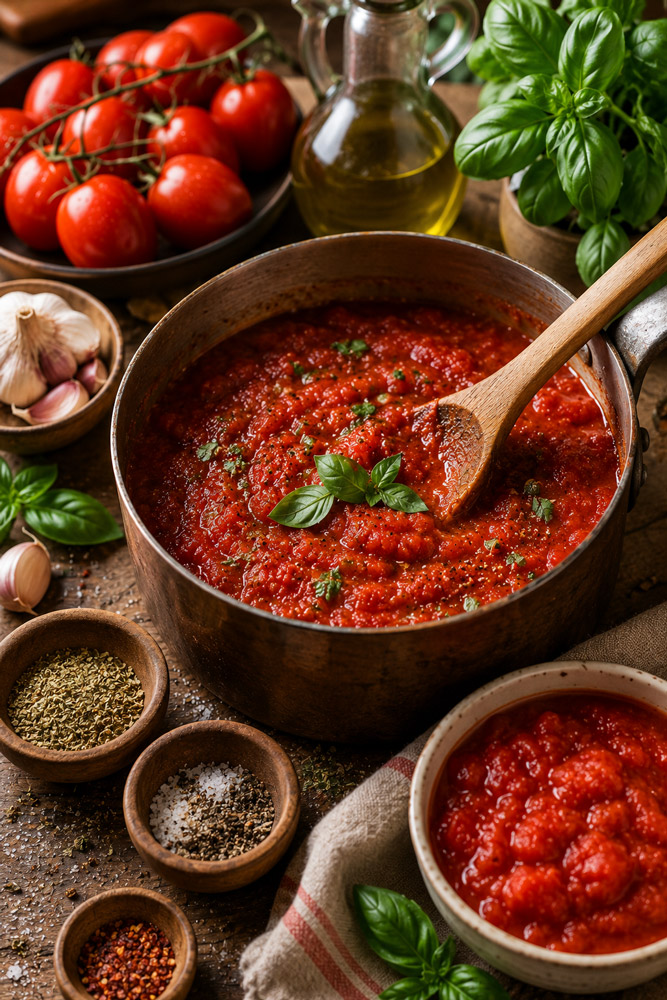
1. Sauté the Aromatics: 1 to 2 minutes.
Place a medium saucepan over medium heat and pour in the extra virgin olive oil. Once the oil begins to shimmer gently, add your minced garlic. Stir continuously for approximately 60 seconds. The garlic should turn aromatic and translucent. Keep a close watch on the heat level, making sure the garlic does not brown or burn, as scorched garlic introduces a bitter flavor that will ruin the entire batch.
2. Combine and Season the Base: 2 minutes.
Carefully pour the 28 ounces of crushed San Marzano tomatoes directly into the saucepan to halt the garlic cooking process. Use a wooden spoon to stir the mixture thoroughly. Incorporate the dried Italian seasoning blend, the dried oregano, the optional teaspoon of sugar, sea salt, and freshly cracked black pepper. Mix until all elements are fully distributed.
3. Simmer and Reduce: 15 to 20 minutes.
Bring the mixture to a very gentle boil, then immediately drop the burner down to a low setting. Leave the pan entirely uncovered. Let it simmer softly for 15 to 20 minutes, stirring occasionally to prevent the bottom from sticking. You will watch the color deepen from a bright red to a rich crimson as the liquid evaporates and the sauce thickens to your preferred consistency.
4. Infuse Fresh Herbs and Cool: 10 minutes + cooling time.
Remove the saucepan entirely from the heat source. Toss in the hand torn fresh basil leaves and stir well to let the residual heat draw out the aromatic oils. Take a small spoonful to taste, adjusting the sea salt or black pepper if needed. Set the pan aside and allow the mixture to cool completely to room temperature before assembling your pie.
Professional Chef Tips for Absolute Success
Even with premium ingredients, small procedural mistakes can impact your final crust texture. Keep these professional strategies in mind for your next baking session.
Avoid the Soggy Pizza Trap
Never spread warm or hot liquid onto raw dough. The residual heat instantly activates the gluten structure and begins to melt the fat in your cheese prematurely, creating a barrier that traps steam. This process breaks down the dough structure and creates a gummy line right under your toppings. Always plan ahead and let the mixture sit until it is completely cool.
Texture Control Choices
The beauty of a custom kitchen project is tailoring it to your personal taste. If you love a rustic, chunky Grandma style slice, leave the crushed tomatoes exactly as they are out of the pan. If you prefer a completely smooth, uniform New York style texture that spreads effortlessly with the back of a ladle, run the finished, cooled mix through a standard countertop blender or use a handheld immersion blender for a few seconds.
Smart Storage Practices
This recipe yields enough for multiple large pizzas. Store your leftovers in an airtight glass jar inside the refrigerator for up to 5 days. If you want to prepare ahead for future pizza nights, portion the cooled leftovers into freezer safe bags or silicone molds and freeze them for up to 3 months. Simply thaw it overnight in the fridge before your next baking session.
Creative Customizations for Your Next Pie
Once you master this baseline recipe, you can easily alter the profile to match specific culinary styles. For instance, if you want to recreate the robust depth of a classic Grandma pizza, you can press scorched Roma tomatoes directly into the sauce layers during assembly. If you prefer an extra kick of heat, adding a half teaspoon of crushed red pepper flakes into the olive oil alongside the garlic will infuse a warming spicy element throughout the entire spread.
Whether you keep it chunky and rustic or blend it down to a silky smooth sheen, making your red base from scratch ensures every slice you serve is built with genuine culinary purpose.